Why Castle Rock Homeowners Should Prioritize Dryer Vent Cleaning
If your dryer suddenly needs two cycles to dry a normal load, restricted airflow may already be increasing heat, energy use, and wear on the appliance. Professional dryer vent cleaning removes hidden lint and debris so hot, moist air can exit your home properly.
The lint screen catches a lot of material, but it does not catch everything. Small fibers can travel into the duct behind your dryer and gradually narrow the passage. Because most of that duct is hidden behind walls, beneath floors, or inside crawlspaces, the buildup can go unnoticed until your dryer’s performance changes.
At Checkmate Carpet Cleaning, we provide professional
dryer vent cleaning in Castle Rock, WA for residential and commercial properties. We help you identify restricted airflow before it turns into a more expensive or dangerous problem.
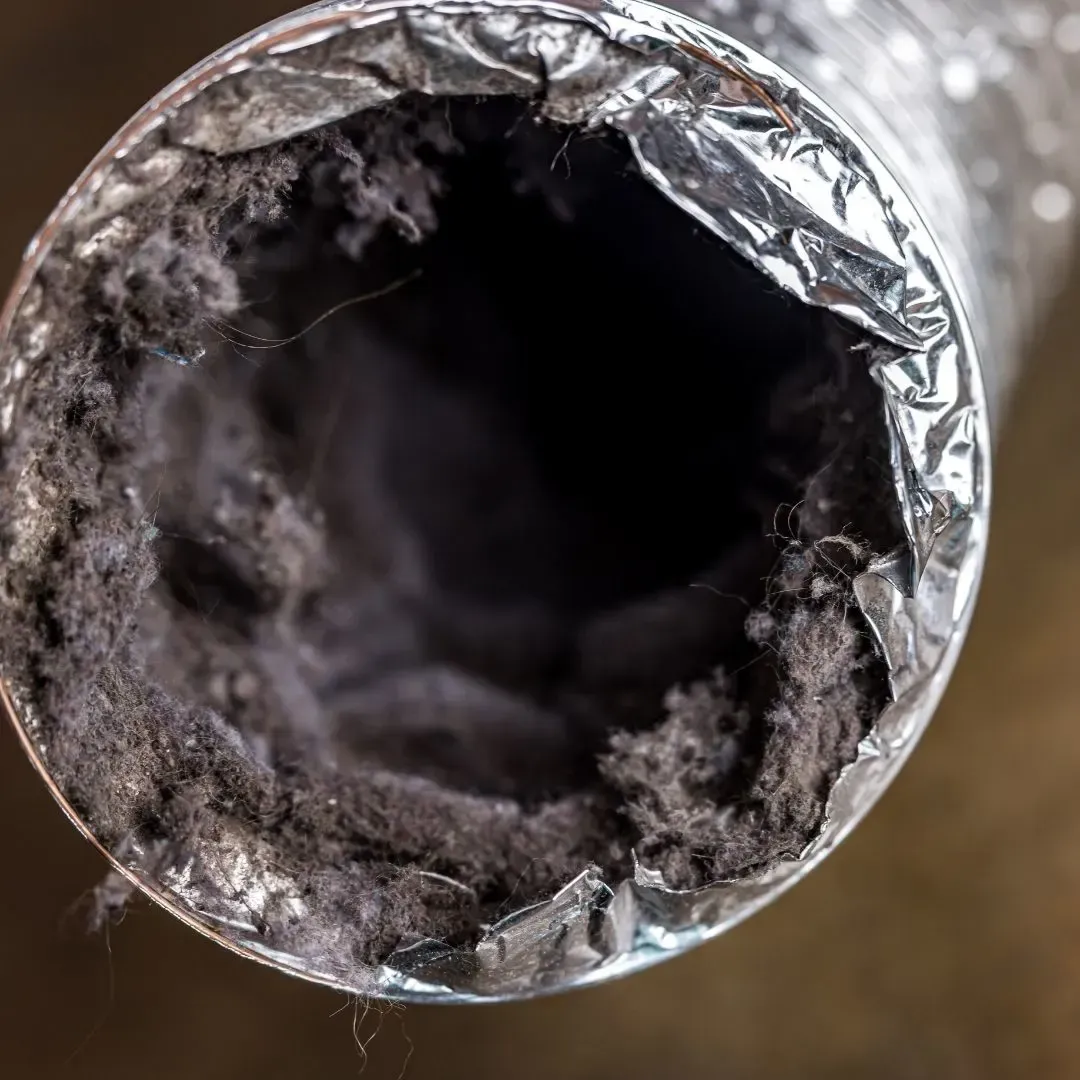
Why Dryer Vent Cleaning Matters
Dryer vent cleaning matters because restricted airflow can increase heat around the appliance, lengthen drying cycles, and create a potential fire hazard. Clearing the complete exhaust route helps your dryer release heat and moisture more efficiently.
Lint commonly collects in:
- The transition duct behind the dryer
- Bends and joints in the exhaust line
- Long horizontal or vertical ducts
- Crushed or sagging duct sections
- The exterior exhaust cover
Cleaning your lint screen before or after every load is essential, but it only addresses material captured inside the machine. It does not remove lint that has already entered the vent line.
The Fire Risk Is Real
Lint is combustible, and dryers generate substantial heat. When airflow becomes restricted, heat may accumulate around lint, clothing, and internal dryer components.
According to the U.S. Fire Administration’s appliance fire-safety guidance, failure to clean was the leading factor contributing to the ignition of 31% of home clothes-dryer fires reported from 2018 through 2020.
That does not mean every slow dryer is about to catch fire. It does mean that longer drying times, excessive heat, and burning odors deserve prompt attention.
Stop using the dryer and investigate the problem if you notice:
- A burning or scorched smell
- Smoke near the appliance or vent connection
- Scorch marks behind the dryer
- Repeated overheating or automatic shutdowns
- A damaged cord, plug, or gas connection
A burning smell is not a normal part of dryer operation. Turn off the appliance and have the dryer and exhaust system checked.
Signs Your Dryer Vent Needs Attention
The most common warning sign is that clothes take noticeably longer to dry. A load that once finished in one cycle should not regularly require a second cycle without a clear reason.
Watch for these signs:
| Warning Sign | What It May Mean |
|---|---|
| Clothes remain damp after a normal cycle | Air may not be moving through the vent properly |
| The dryer feels unusually hot | Heat may be trapped around the appliance |
| The laundry room becomes hot or humid | Exhaust air may be leaking or backing up |
| You notice a burning or musty odor | Lint, moisture, or another problem may be present |
| The exterior flap barely opens | Airflow may be weak or obstructed |
| Lint collects around the outdoor vent | The cover or nearby duct may be clogged |
| The dryer shuts off before clothes are dry | The machine may be overheating |
| You cannot remember the last cleaning | The vent may be overdue for inspection |
Any one of these symptoms is worth investigating. Several appearing together make restricted airflow more likely.
However, a clogged vent is not the only possible cause. Incorrect settings, an overloaded drum, a washer that leaves clothes too wet, or a failing dryer component can also increase drying time.
How Castle Rock’s Climate Can Affect Dryer Use
Castle Rock’s rainy weather does not automatically make lint sticky inside every vent. The more practical local concern is that wet fall and winter conditions may lead to heavier dryer use.
Your household may dry more:
- Rain-soaked clothing
- Towels and blankets
- Pet bedding
- Outdoor workwear
- Children’s coats and sports gear
Heavy or damp loads often require longer cycles and produce more lint. The more frequently you use the dryer, the faster debris may accumulate inside the exhaust system.
Some Castle Rock-area homes also have longer vents routed through crawlspaces, exterior walls, or roofs. Every additional foot and bend can make it harder for lint to travel completely outside.
Leaves, moss, nesting materials, and other debris can also obstruct an exterior vent cover. Checking the outdoor opening periodically is particularly useful after storms or prolonged wet weather.
Can a Clean Dryer Vent Save Energy?
A clear vent can help your dryer complete loads without running longer than necessary. When lint restricts airflow, the appliance may need additional time and energy to remove the same amount of moisture.
The U.S. Department of Energy recommends periodically inspecting dryer vents to ensure they are not blocked, noting that doing so can save energy and may help prevent a fire.
Restoring airflow may help you:
- Reduce unnecessary drying time
- Avoid repeated drying cycles
- Limit excess heat around the appliance
- Reduce strain on dryer components
- Prevent clothing from being over-dried
Cleaning cannot repair a failing motor, sensor, thermostat, or heating element. However, checking the vent is a sensible first step when drying times gradually increase.
What Professional Dryer Vent Cleaning Involves
Professional dryer vent cleaning addresses the full exhaust path rather than only the short connection behind the appliance. The technician checks for lint buildup, visible damage, installation problems, and obstructions at the exterior opening.
A typical service may include:
- Inspecting the vent route. The accessible ductwork, connections, and exterior opening are evaluated.
- Checking for restrictions. Crushed ducts, sharp bends, loose joints, and accumulated lint can reduce airflow.
- Cleaning the exhaust line. Debris is removed from the duct running between the dryer and the outdoor termination point.
- Checking the exterior cover. The flap should open freely and should not be blocked by lint, leaves, or nesting material.
- Confirming airflow. The system is checked after cleaning to make sure exhaust air can move outdoors.
The exact service time depends on the vent’s length, location, number of turns, accessibility, and amount of buildup. A short wall vent is generally easier to service than a long duct that travels through a crawlspace or exits through the roof.
Checkmate provides dryer vent inspection and cleaning for homes and businesses. Our website also identifies us as a family-owned, mobile company with trained, certified professionals serving Castle Rock, Vancouver, and other nearby communities.
How Often Should You Clean Your Dryer Vent?
Many households should have the vent inspected regularly and cleaned based on usage and buildup. An annual inspection is a practical starting point, especially when you use your dryer frequently or have a long vent route.
You may need more frequent attention when:
- Your family washes several loads each week
- You frequently dry towels, blankets, or pet bedding
- The vent contains several turns
- The exhaust travels a long distance
- The vent exits through the roof
- Multiple residents share the dryer
- Drying times increase soon after cleaning
- The exterior opening frequently becomes obstructed
A smaller household with a short, properly installed vent may accumulate lint more slowly. Pay attention to performance instead of relying only on the calendar.
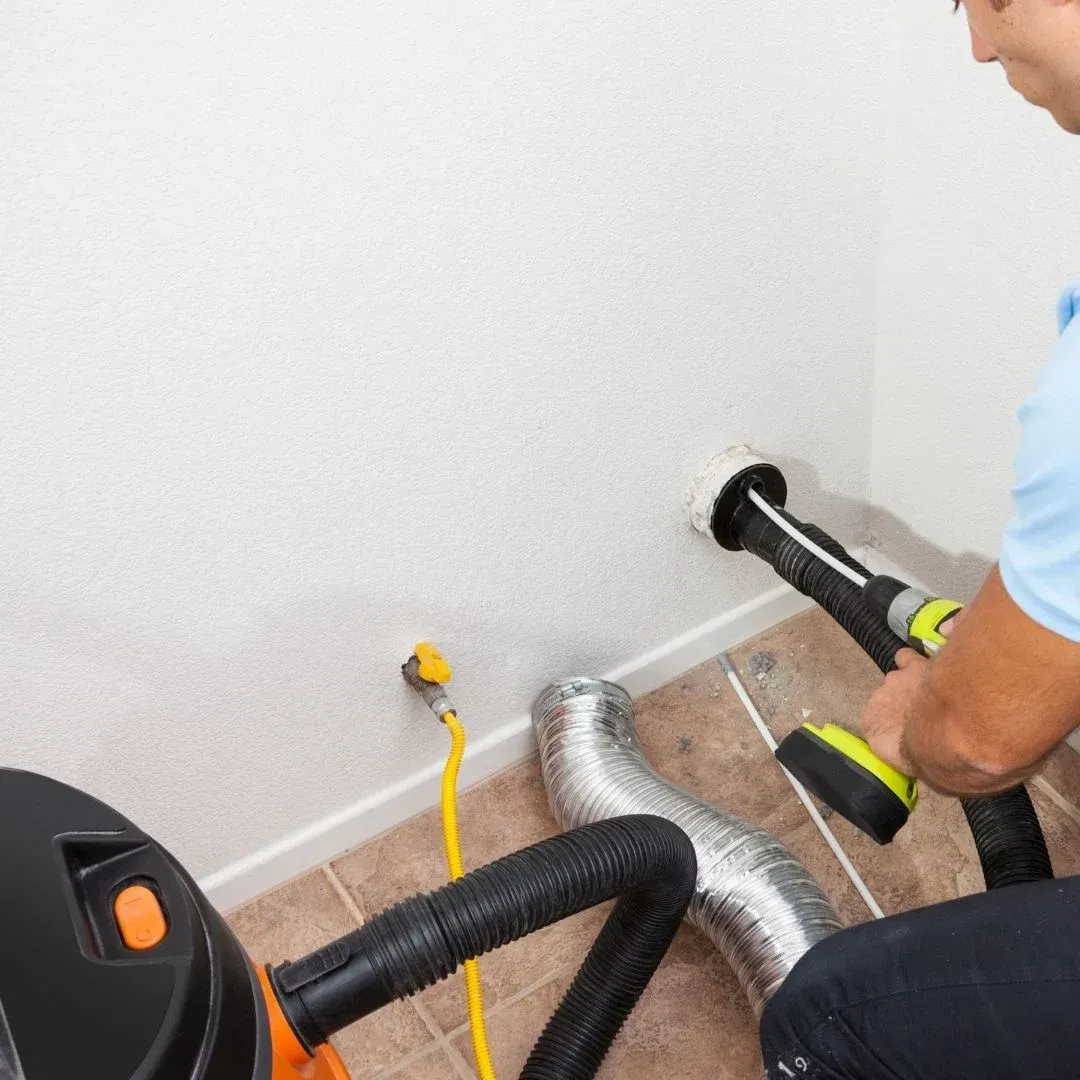
Can You Clean a Dryer Vent Yourself?
You can perform basic maintenance, but a household brush may not fully clean a long or complicated vent. DIY tools can also become disconnected or push debris farther into the duct when used incorrectly.
You can safely help maintain the system by:
- Cleaning the lint filter with every load
- Keeping the area behind the dryer free of lint
- Checking for a crushed transition duct
- Watching whether the exterior flap opens during operation
- Following the dryer manufacturer’s instructions
- Avoiding excessively large loads
Professional service is a better choice when the vent runs through a roof or crawlspace, contains several bends, is difficult to disconnect, or continues to show poor airflow after basic maintenance.
FAQs About Dryer Vent Cleaning
How long does dryer vent cleaning take?
The time depends on the duct’s length, accessibility, routing, and amount of buildup. A simple wall vent may take less time than a long roof vent or heavily obstructed system.
Is cleaning the lint screen enough?
No. The screen should be cleaned with every load, but some fibers pass through it and enter the exhaust duct. Periodic vent cleaning removes buildup that the lint screen cannot reach.
Why are my clothes still wet after one cycle?
Restricted airflow is one possible cause. Other possibilities include an overloaded dryer, incorrect settings, a washer that is not spinning properly, or a failing dryer component.
Is a hot dryer always caused by a clogged vent?
No, but excessive heat should be investigated. A clogged or crushed vent, overloaded drum, or mechanical problem may be preventing the appliance from operating correctly.
Is dryer vent cleaning worth it?
It is worthwhile when lint or another obstruction is restricting airflow. Cleaning can address a known fire risk, reduce unnecessary drying time, and help the appliance exhaust heat and moisture properly.
Schedule Dryer Vent Cleaning in Castle Rock, WA
You should not have to run every load twice or wonder whether hidden lint is creating a safety problem. If your dryer is taking longer, running hotter, or producing unusual odors, we can inspect and clean the vent before the issue becomes more serious.
Checkmate Carpet Cleaning is a family-owned and operated company based at 568 Beebe Road in Castle Rock. We provide mobile cleaning services for homes and businesses in Castle Rock, Vancouver, and surrounding communities.
Call
(360) 910-3100 to schedule professional
dryer vent cleaning or request more information.
SHARE THIS ARTICLE
OUR RECENT ARTICLES