Why DIY Carpet Cleaning Fails and When Organic Carpet Cleaning Is Better
Have you ever scrubbed a carpet stain, rented a cleaning machine, or added extra shampoo because the floor looked especially dirty? These choices may seem practical, but they can leave behind detergent, excess moisture, recurring odors, or damaged fibers.
Castle Rock homeowners can often handle a small, fresh spill with careful blotting. Whole-room cleaning, returning stains, pet odors, wet padding, and physical carpet damage usually require stronger extraction, the right cleaning chemistry, or professional repair.
Checkmate Carpet Cleaning helps local homeowners solve problems that surface cleaning alone cannot fix. The goal is not simply to make carpet look cleaner for a few days. It is to remove soil and cleaning solution thoroughly, manage moisture, protect the fibers, and reduce repeat cleaning expenses.
Why Can DIY Carpet Cleaning Make Things Worse?
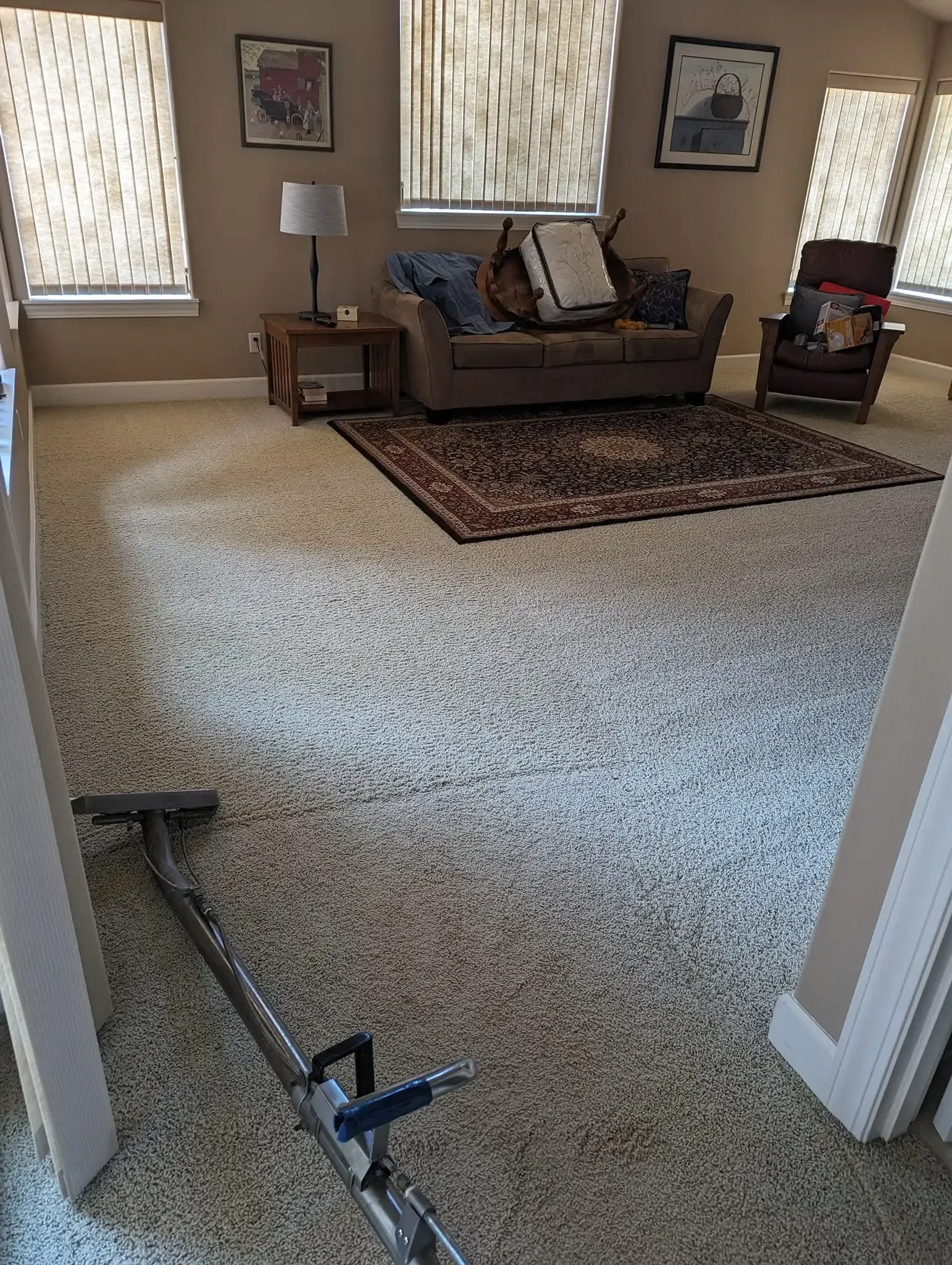
DIY cleaning can cause problems when too much detergent or water remains below the carpet’s surface. The wrong technique may also spread a stain, roughen the pile, or make an existing ripple or loose seam more noticeable.
| DIY Mistake | Possible Result | Better Approach |
|---|---|---|
| Using too much shampoo | Sticky residue attracts new soil | Measure products carefully and rinse thoroughly |
| Over-wetting the carpet | Slow drying, odors, or damp padding | Control water use and improve extraction |
| Scrubbing aggressively | Frayed fibers or a larger stain | Blot gently from the outside inward |
| Mixing products | Discoloration, residue, or unsafe fumes | Use one carpet-approved product at a time |
| Recleaning a returning spot | More moisture reaches the backing or pad | Identify the source before treating it again |
| Cleaning loose carpet | Ripples or weak seams become more visible | Repair physical damage before deep cleaning |
These problems often begin with good intentions. However, repeated machine rentals, extra cleaning products, professional correction, or early carpet replacement can cost more than addressing the issue correctly the first time.
Our guide to
common DIY carpet-cleaning mistakes covers other errors homeowners should avoid.
Soap Residue Can Make Carpet Look Dirty Again
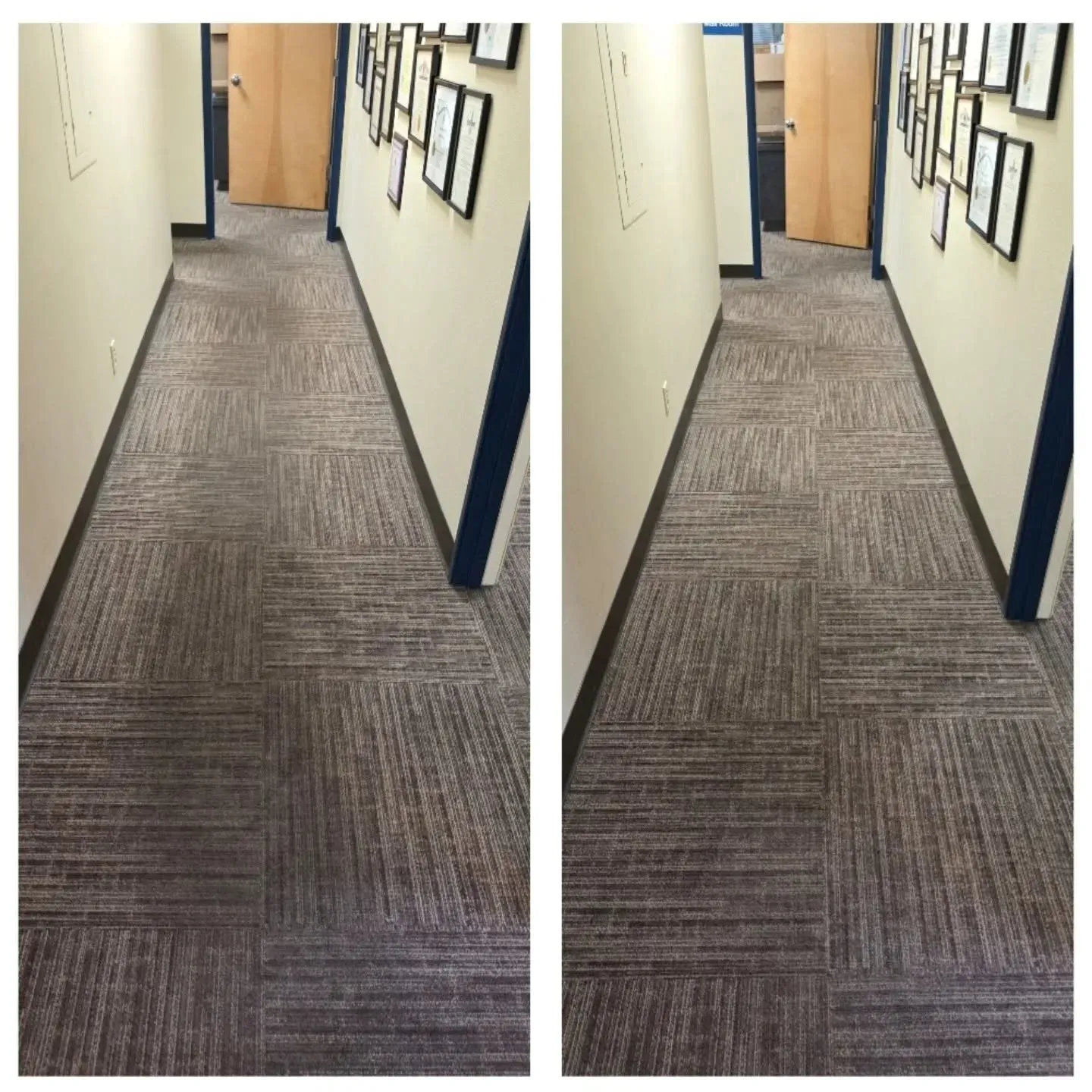
Carpet may resoil quickly when a DIY machine leaves detergent in the fibers. That remaining film can hold onto tracked-in soil, body oils, pet debris, and dust, causing recently cleaned areas to darken again.
The Carpet and Rug Institute’s stain-removal guidance recommends blotting rather than scrubbing, rinsing carefully after using a cleaning product, avoiding over-wetting, and drying the treated area thoroughly.
Possible signs of residue include:
- Carpet that feels stiff, crunchy, or tacky
- Traffic lanes that darken soon after cleaning
- A treated spot that becomes larger as it dries
- Foam that appears when the area becomes wet again
- A strong cleaning-product smell that lingers
Professional
deep carpet cleaning uses measured cleaning products, appropriate equipment, and controlled extraction to remove loosened soil, rinse water, and residue more thoroughly.
Excess Moisture Can Remain Below the Surface
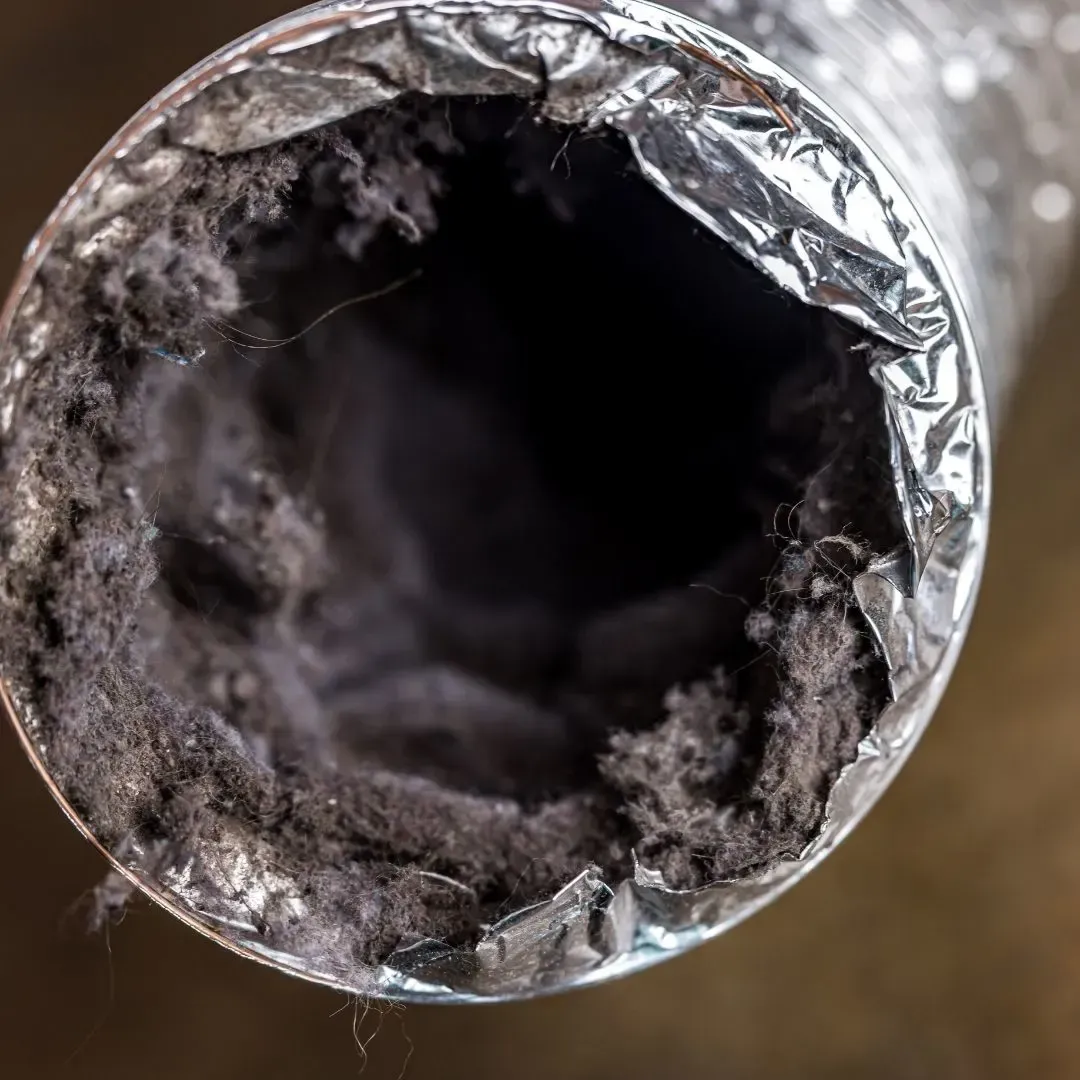
Carpet can feel nearly dry on top while the backing or pad remains damp. Trapped moisture may contribute to returning spots, browning, musty odors, or conditions that support mold growth.
Castle Rock’s wet seasons can increase the amount of moisture and soil tracked indoors, making controlled water use, ventilation, and thorough extraction especially important. Rental machines may leave more water behind than homeowners realize, especially in rooms with limited airflow.
The EPA’s moisture and mold guidance recommends drying wet or damp materials within 24 to 48 hours to help prevent mold growth. Wet carpet may require water extraction, airflow, and dehumidification.
After cleaning:
- Run fans to move air across the carpet.
- Use a dehumidifier when indoor humidity is high.
- Keep furniture tabs or protective blocks in place.
- Limit foot traffic until the carpet is dry.
- Get help if the carpet remains wet or develops a musty odor.
Routine carpet cleaning is not mold remediation. Carpet affected by contaminated water, widespread mold, or saturated padding may require specialized water-damage or remediation services.
Scrubbing Can Spread a Stain
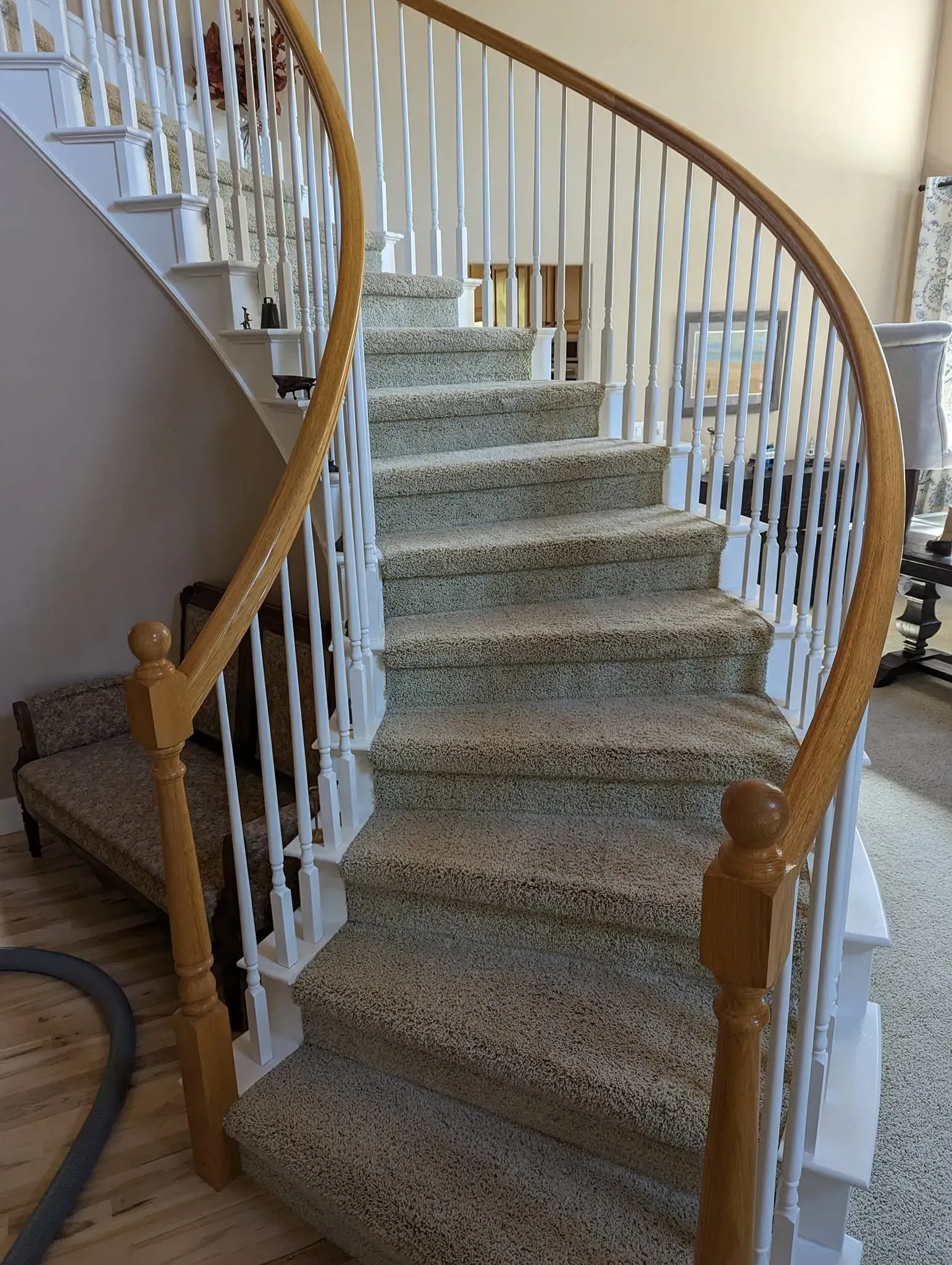
Scrubbing often pushes a spill deeper and can permanently change the carpet’s texture. Blotting is safer because it absorbs liquid without aggressively pulling apart the fibers.
For a fresh spill:
- Lift solid material with a spoon or dull scraper.
- Blot the liquid with a clean white towel.
- Work from the outside edge toward the center.
- Apply a small amount of carpet-approved spot cleaner.
- Blot again and help the area dry.
- Stop if carpet dye transfers or the texture changes.
Avoid bleach, laundry detergent, large amounts of dish soap, or several products used together. Wine, coffee, grease, ink, rust, and pet urine require different treatment methods.
When a stain has an odor, returns after drying, or covers a large area,
professional carpet stain removal is a better next step than repeatedly applying stronger household products.
Pet Odors and Physical Damage May Need Different Solutions
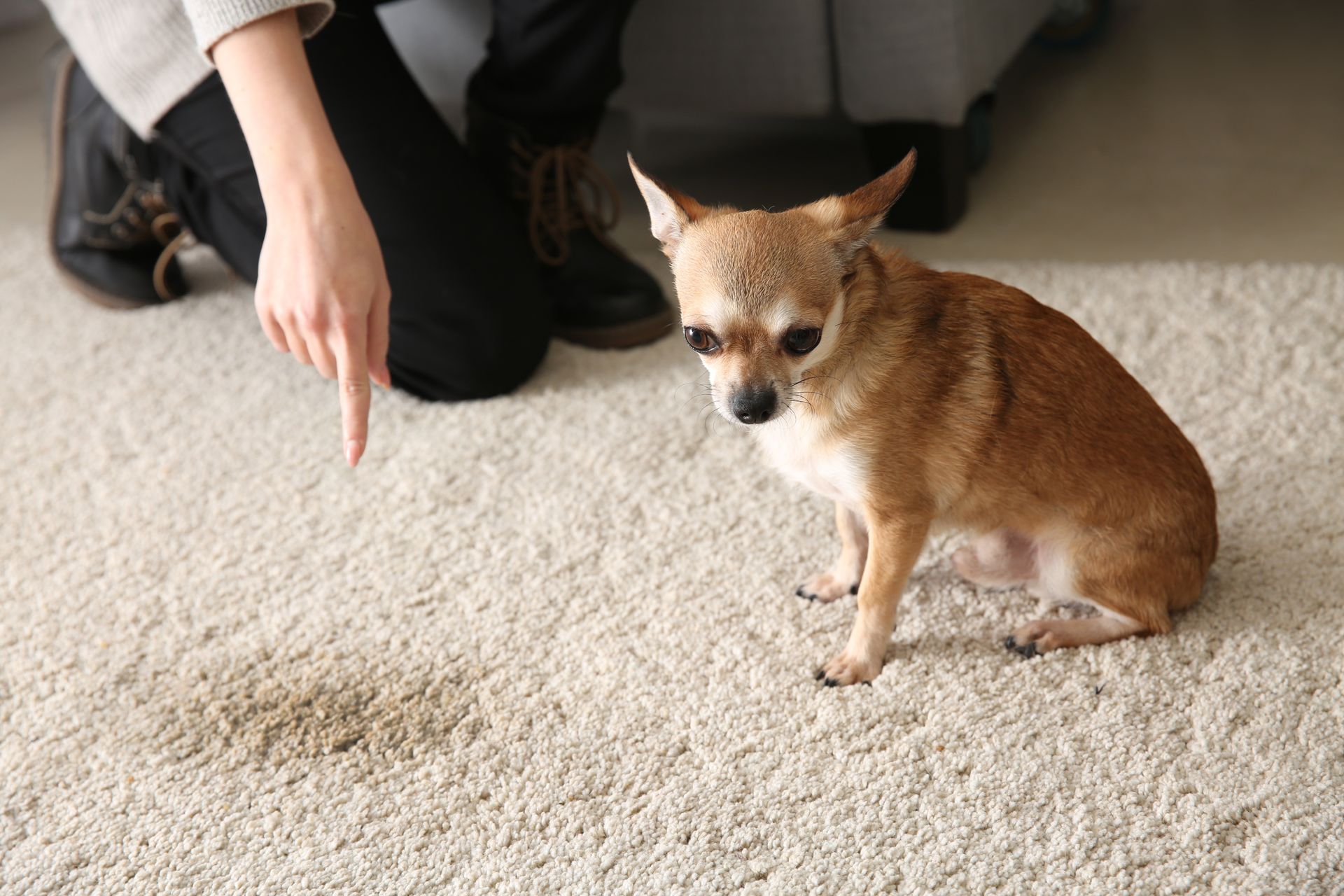
Pet urine can pass through carpet into the backing, pad, or subfloor. Cleaning only the visible area may improve the surface temporarily while leaving the odor source underneath.
Pet-related carpet problems may also include:
- Clawed areas near doorways
- Chewed or torn edges
- Separated seams
- Permanent discoloration
- Loose or rippled carpet
Odor contamination may require deeper treatment, while tears, seams, and ripples require repair rather than additional cleaning. Checkmate’s carpet cleaning and repair services include options such as patching, seam work, and stretching.
Power stretching, seam repair, or patching may extend the carpet’s useful life and, when the surrounding carpet remains serviceable, may cost less than full replacement.
What Is Organic Carpet Cleaning?
Our organic carpet cleaning uses plant-based, biodegradable products with hot-water extraction or low-moisture cleaning methods.
Hot-water extraction is commonly advertised as steam cleaning, but heated water and extraction—not steam alone—perform most of the cleaning. Using precise terminology helps homeowners understand what equipment and process will be used in their homes.
Terms such as organic, green, eco-friendly, and non-toxic do not automatically mean the same thing. Homeowners should ask about the exact product rather than relying only on broad marketing language.
The EPA’s Safer Choice program is one example of a third-party program that evaluates product ingredients against health and environmental criteria. A general environmental claim is not the same as a recognized certification.
Before booking an organic carpet-cleaning service, ask:
- Which products will be used?
- Are the ingredients plant-derived or biodegradable?
- Is a product label or safety data sheet available?
- Does the product carry a third-party certification?
- Is it appropriate for the carpet warranty?
- Is it suitable for known household sensitivities?
- How will the carpet be rinsed, extracted, and dried?
Product safety depends on correct dilution, application, ventilation, extraction, and drying. Claims such as “chemical-free,” “completely safe,” or “removes pathogens” should only be used when they are supported by evidence for the exact product and method.
Is Organic Carpet Cleaning Better Than DIY Cleaning?
Organic carpet cleaning can be better than DIY cleaning when it combines suitable products with controlled moisture, strong extraction, and proper drying. The word “organic” alone does not guarantee a better result; the equipment, method, product selection, and technician’s experience also matter.
A professional service should:
- Inspect the carpet fiber, backing, stains, and seams
- Ask which products were previously applied
- Match the cleaning method to the carpet and soil
- Set realistic expectations for permanent stains
- Control the amount of water and cleaning solution
- Extract rinse water and loosened soil thoroughly
- Provide clear drying and aftercare instructions
- Recommend repair or remediation when cleaning is not enough
Professional maintenance may also remove accumulated soil, dust, and pet debris that routine vacuuming misses. Learn more about
carpet cleaning and indoor air quality.
A Smarter Carpet-Care Plan for Castle Rock Homes
Use DIY care for regular vacuuming and small, fresh spills. Seek professional help when a problem involves a large area, persistent odor, slow drying, contamination below the surface, or physical carpet damage.
A practical routine includes:
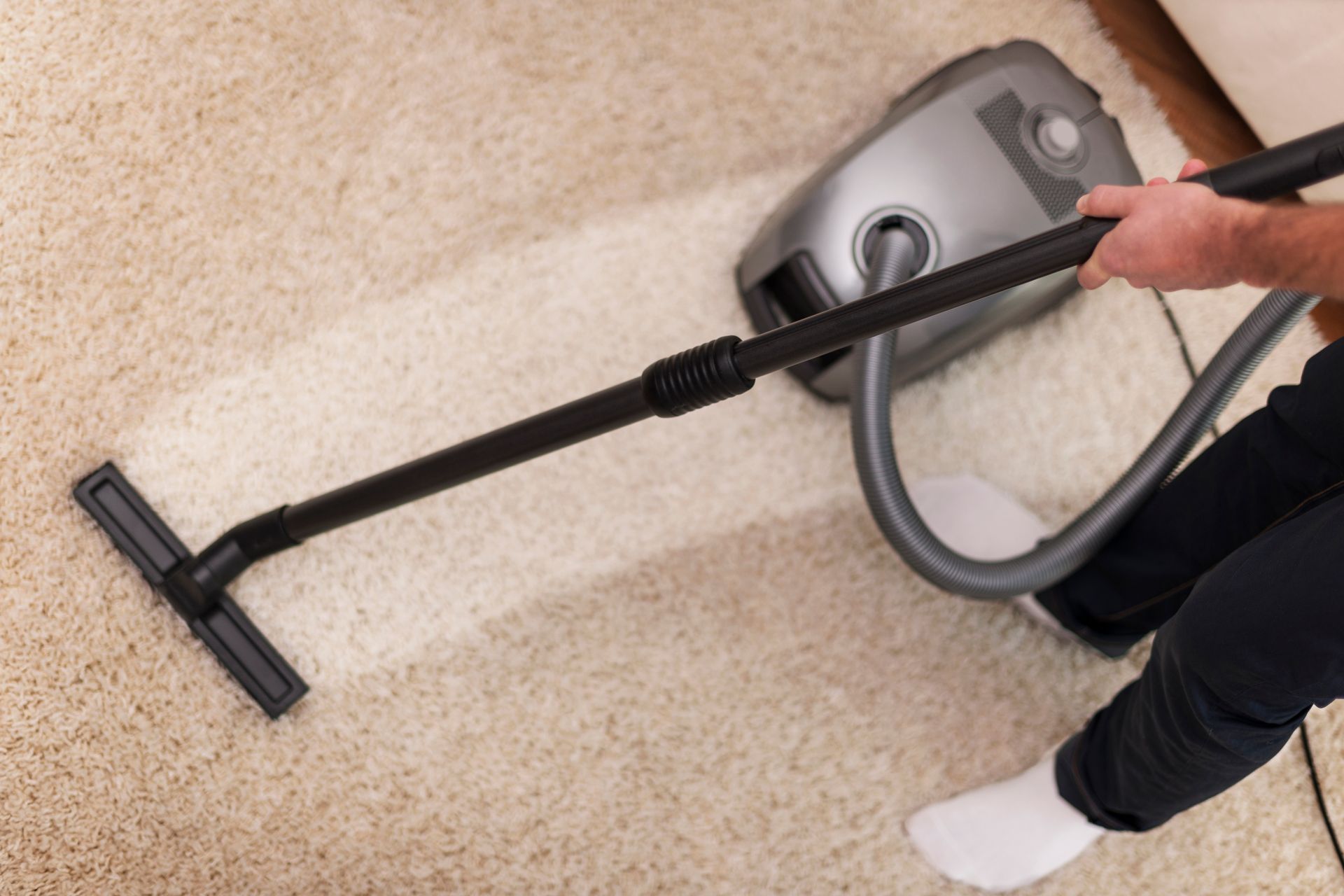
- Vacuum high-traffic areas with slow, overlapping passes.
- Blot spills promptly instead of scrubbing.
- Test cleaning products in a hidden area.
- Follow the product label and carpet manufacturer’s instructions.
- Use entry mats during Castle Rock’s wet and muddy seasons.
- Keep air moving after any wet cleaning.
- Have returning stains, odors, loose seams, or ripples inspected.
The Carpet and Rug Institute recommends
professional deep cleaning every 12 to 18 months, while advising homeowners to check their carpet warranty for specific requirements. Homes with pets, children, heavy traffic, or frequent spills may need service sooner.
Get a Free Organic Carpet Cleaning Quote in Castle Rock
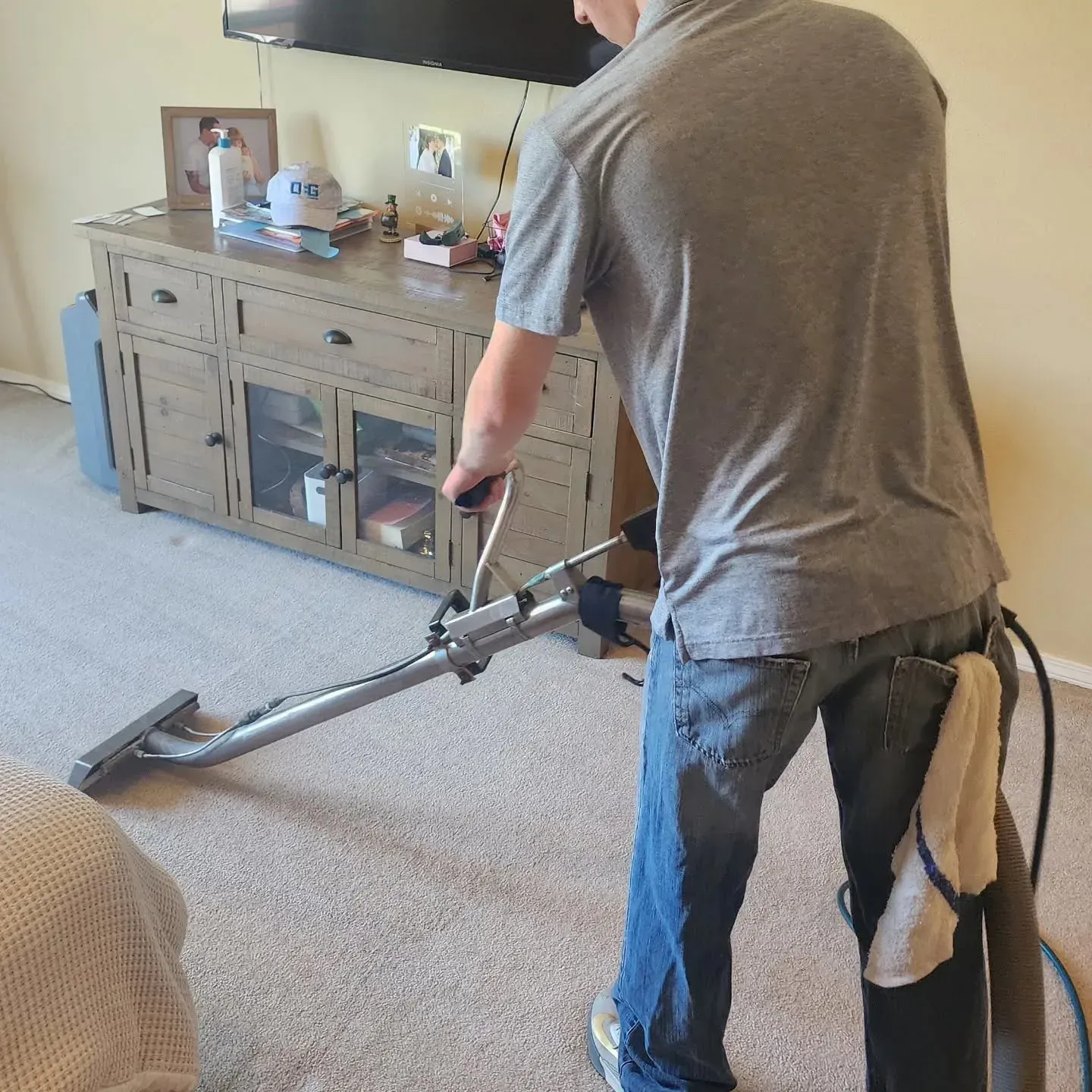
Your carpet should not feel sticky, smell musty, or become dirty again shortly after cleaning. Checkmate Carpet Cleaning provides organic carpet cleaning, stain treatment, odor solutions, stretching, and localized carpet repair for Castle Rock homeowners.
Call
(360) 910-3100 to request a free quote for organic carpet cleaning, recurring stains, pet odors, carpet stretching, or localized repair in Castle Rock.
FAQs About Organic vs DIY Carpet Cleaning
Why does carpet look dirty again after DIY cleaning?
Detergent or loosened soil may remain when a rental machine does not rinse and extract thoroughly. That residue can hold onto new dirt and cause treated areas to darken again.
How long should carpet take to dry?
Drying time depends on the carpet, weather, ventilation, cleaning method, and amount of water used. Increase airflow and seek help if the carpet stays noticeably wet or develops a musty smell.
Is organic carpet cleaning safe for children and pets?
That depends on the exact product, ingredients, dilution, application, extraction, and drying instructions. Ask for the product name, label information, safety data sheet, and any relevant certification.
Can professional cleaning remove recurring pet odor?
It may help, but results depend on whether the urine reached the backing, padding, or subfloor. An inspection can determine whether cleaning, subsurface treatment, pad replacement, or repair is appropriate.
Can rippled carpet be repaired without replacement?
Often, yes. Professional stretching may correct loose carpet when the backing remains usable, while smaller damaged areas may be addressed with patching or seam repair.
SHARE THIS ARTICLE
OUR RECENT ARTICLES